Quality Control
Product quality control process
1. Purpose
Ensure products meet the requirements of food hygiene and safety standards, national standards, industry standards and internal standards of the enterprise. Prevent non-conforming products from leaving the factory, improve product reputation and quality.
2. Scope of application
Applies to the entire production process: from input materials, semi-finished products, finished products to the factory exit stage. Applies to all types of raw materials, packaging materials, accessories and finished products.
3. Responsibilities
Quality Control Department (QC): build a management system, conduct inspection, calibrate equipment, and store records.
Production Department: determine applicable standards, coordinate quality inspection during the production process.
Purchasing Department: ensure raw materials have legal certification, coordinate handling when detecting non-conforming products.
Raw Material Warehouse: Receiving, sorting, storing, and notifying QC for inspection.
4. Process Content
4.1 Input Inspection
Raw materials, packaging, and auxiliary materials must have quality certificates, factory inspection reports, and production licenses. Conduct visual inspection, quality inspection, size inspection, fluorescence inspection, and expiration date inspection. Random sampling is conducted according to regulations (e.g., ≤30 tons/batch, take 20 bags, check 5 fluorescence samples). Results are recorded in the Raw Material Inspection Report.
Raw materials that meet requirements → are stored in the warehouse; raw materials that do not meet requirements → are separated and processed according to the procedure.
4.2 Initial Inspection and Process Quality Control (IPQC)
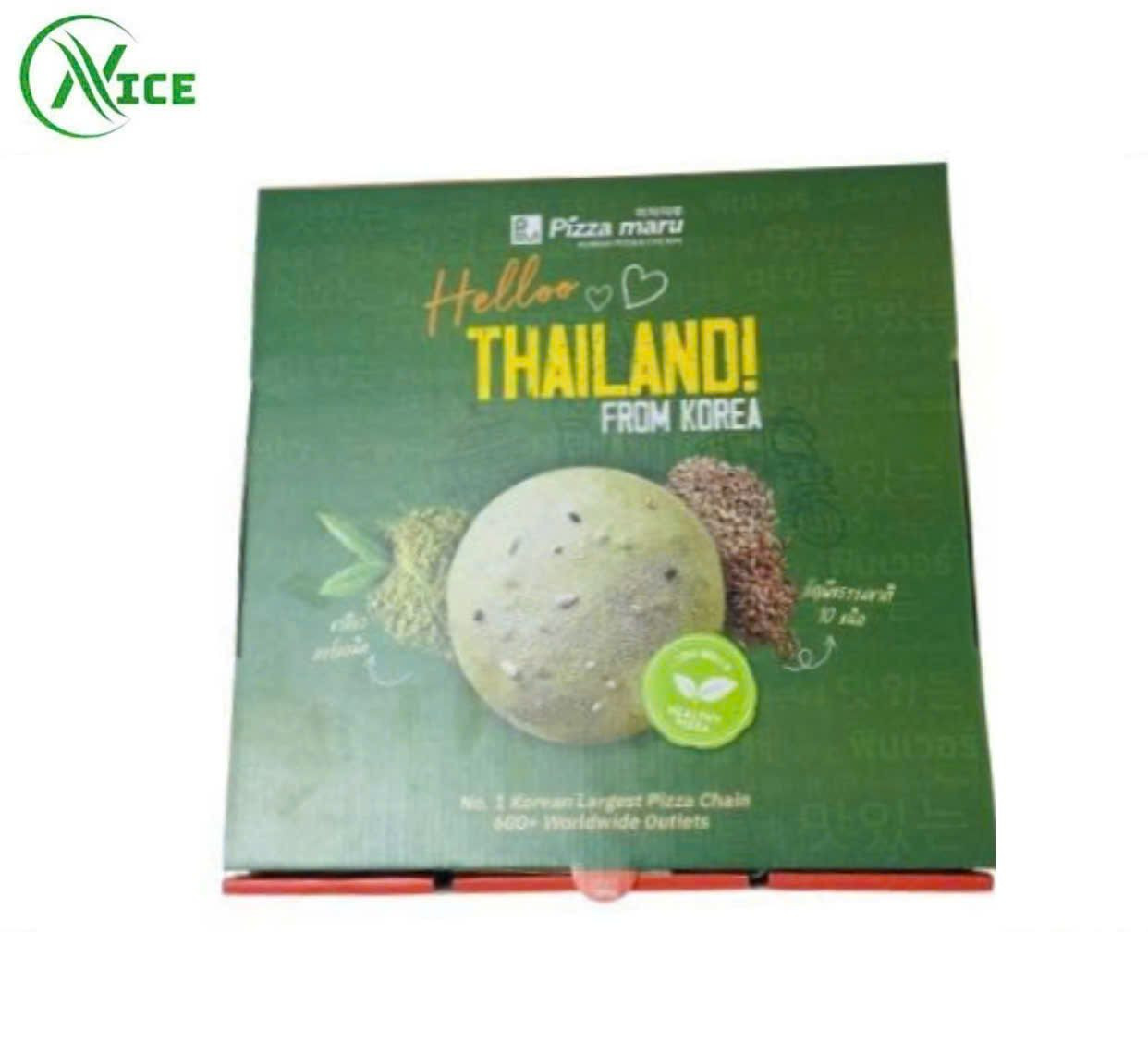
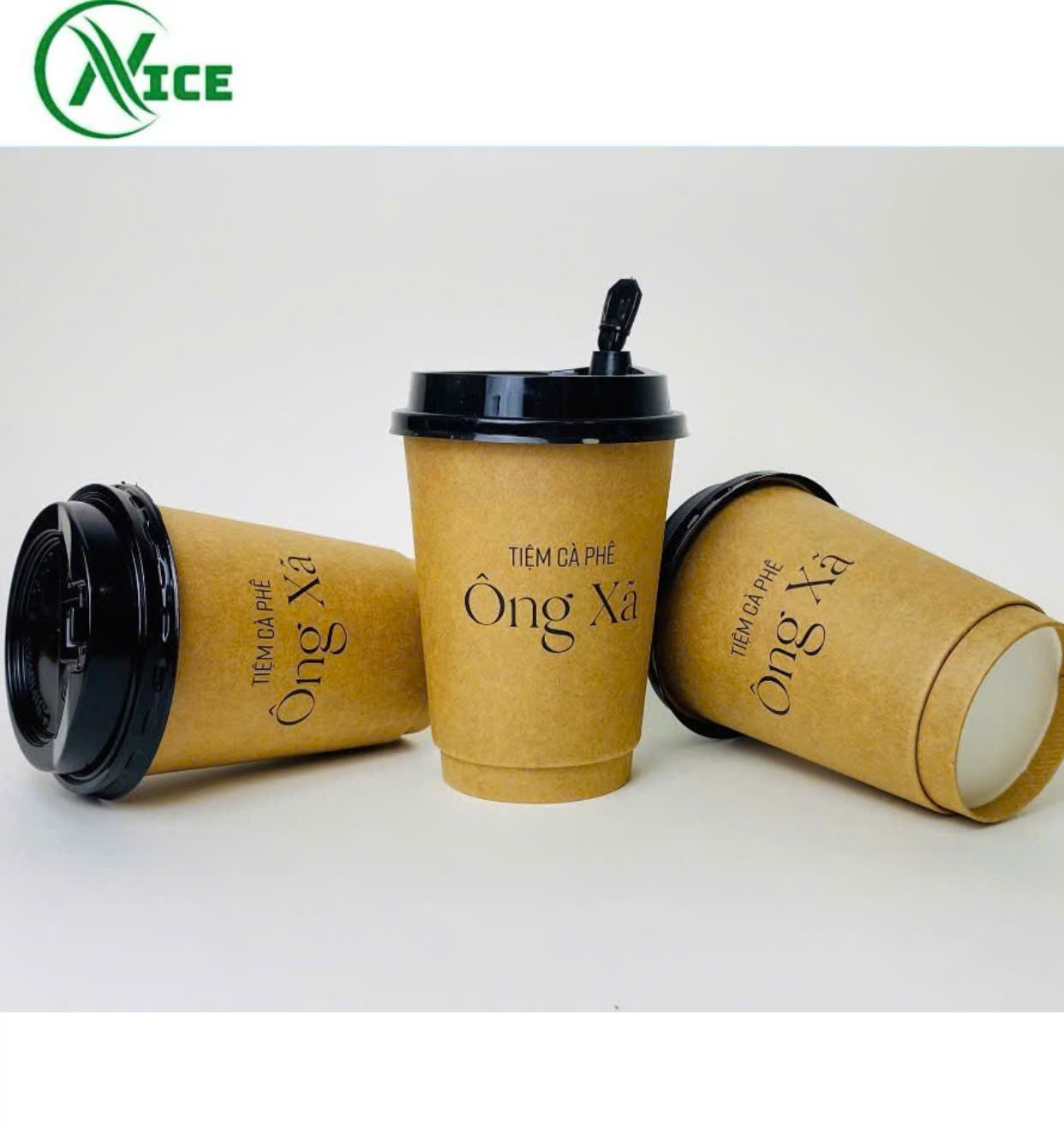
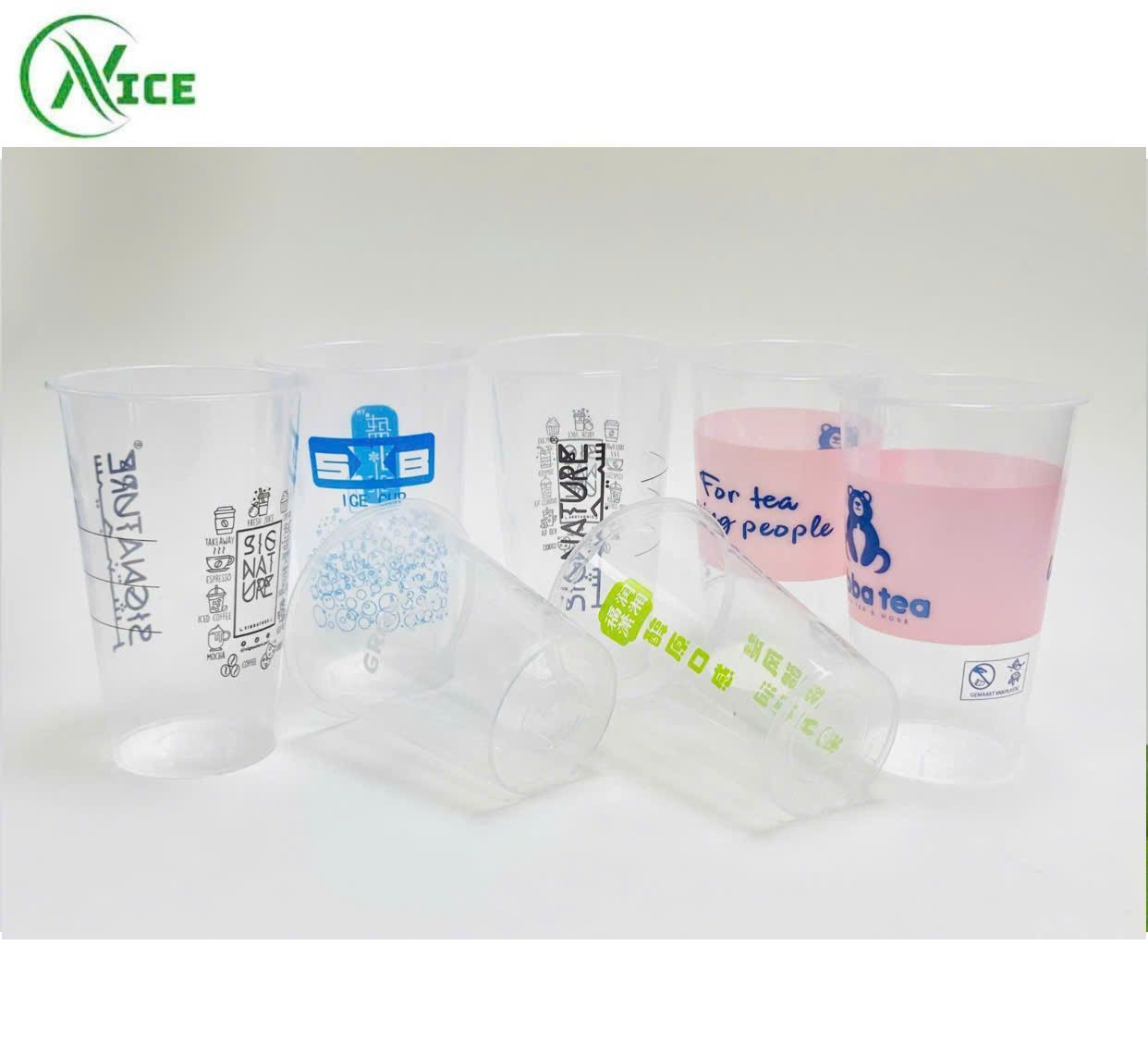
Inspect the first 30 products at the start of line operation. Items include: print quality, leakage, wrinkling, capacity, strange odor, cleanliness, and uniformity. 4.3 Inspection of Semi-Finished Products (OQC)
Products meeting requirements → continue production; products failing to meet requirements → stop production and handle according to the procedure for substandard products.
4.3 Inspection of Finished Products (OQC)
Each batch of finished products must undergo a comprehensive inspection before shipment. Items include: appearance, print quality, volume, leakage, packaging, and labeling. Applicable standards: GB/T 27590-2011 and related standards. Results are recorded in the Product Inspection Report and Product Inspection Report. The inspector signs and issues a Product Compliance Certificate.
If products do not meet standards → strictly prohibited from leaving the factory, and handled according to the procedure for substandard products.
4.4 Records and Archiving
Inspection reports must be truthful and contain complete information: product name, specifications, batch number, production date, inspection certificate, buyer, date of sale, etc. Records must be kept for at least 2 years or the product's shelf life if shorter. Retained samples must be stored according to regulations.
5. General Principles
Only products that meet the entire inspection process requirements are permitted to be shipped. Products that do not meet the standards must be isolated and processed according to a separate procedure. If the business is unable to perform the inspection itself, it may be authorized by an external inspection agency.