WHAT IS PLA CORN STARCH?
PLA (Polylactic Acid) is a type of bioplastic extracted from corn starch, cassava starch, sugarcane starch, or other starch-containing plants. Instead of using fossil fuels (such as petroleum), PLA is synthesized through a biological fermentation process, creating a material that is completely biodegradable in industrial environments.
Summary of the production process:
- Starch extract from corn/cassava
- Hydrolysis produces glucose.
- Fermentation produces lactic acid.
- Polymerization to create PLA – in granular or powder form.
- Used in the production of products such as: bags, cups, cutlery, wrapping films, 3D printed plastics, etc.
OUTSTANDING ADVANTAGES OF PLA CORN STARCH
- Biology – Sustainability – Environmentally Friendly
- It can be completely decomposed into CO₂, water, and organic matter after 6–12 months under industrial composting conditions.
- No microplastics are produced, and it is non-toxic to soil, water, and marine life.
- Reduce CO₂ emissions by up to 60% compared to traditional plastics.
- Safe for health – No harmful substances
- Free from BPA, formaldehyde, and phthalates.
- Non-toxic during production or use.
- Meets international food safety standards: FDA (USA), EU Food Contact, SGS, ISO 17088
- Versatile in industrial and consumer products.
- Used for injection molding, extrusion, 3D printing, and the production of disposable items.
- It can be mixed with additives to increase durability, heat resistance, or create color effects.
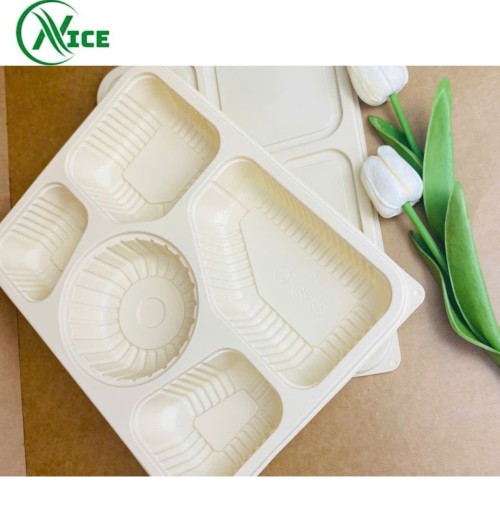
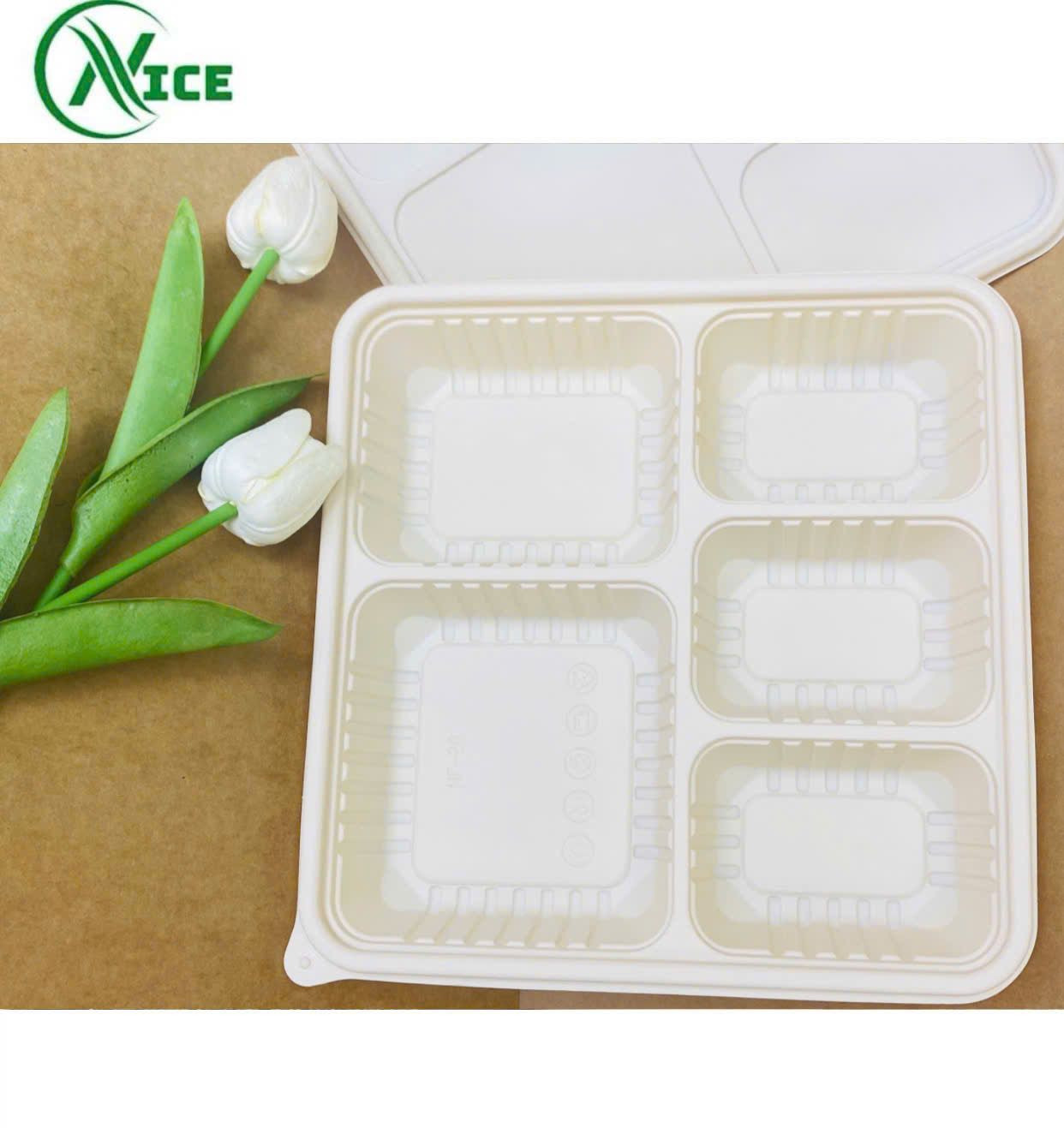
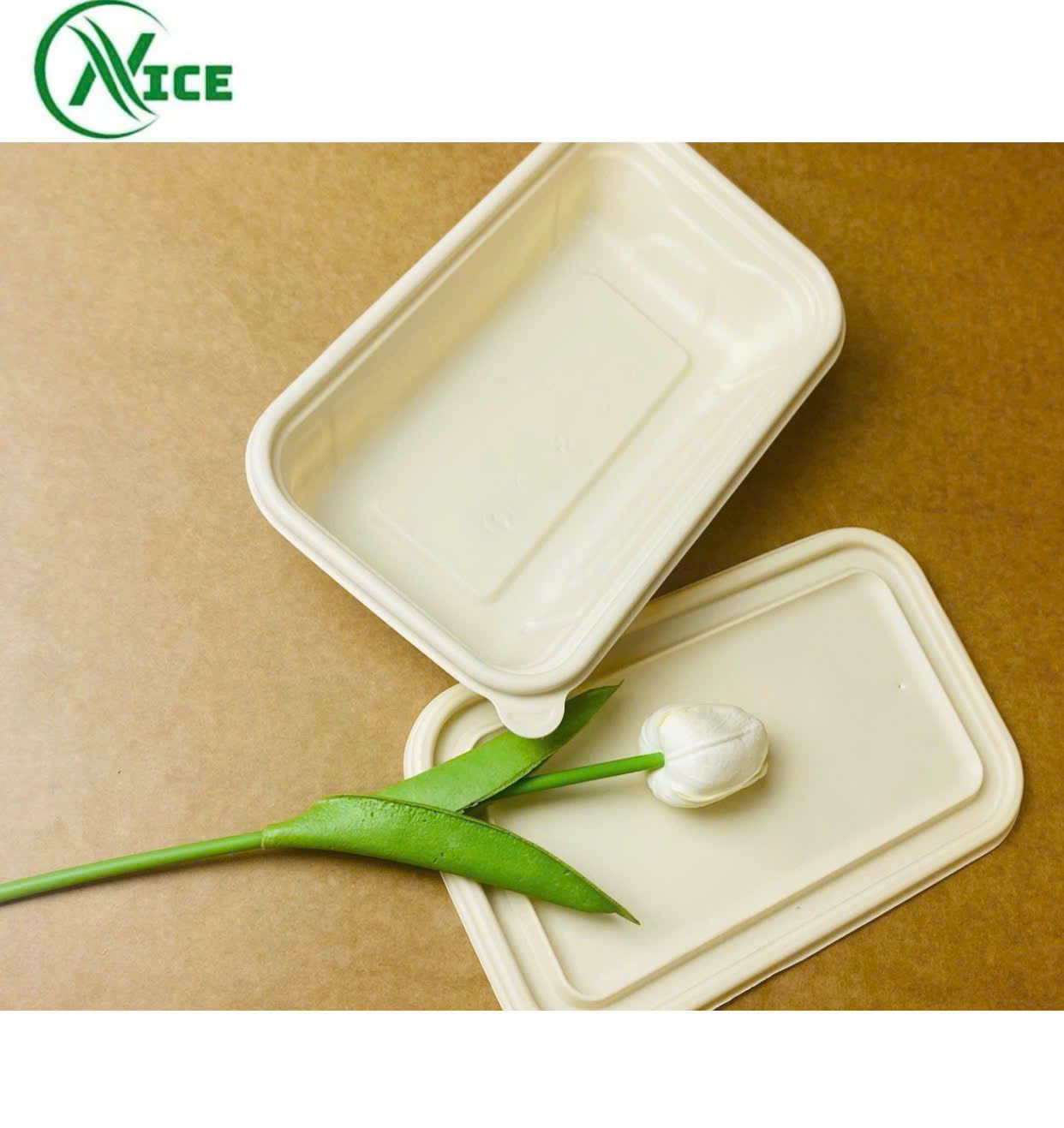
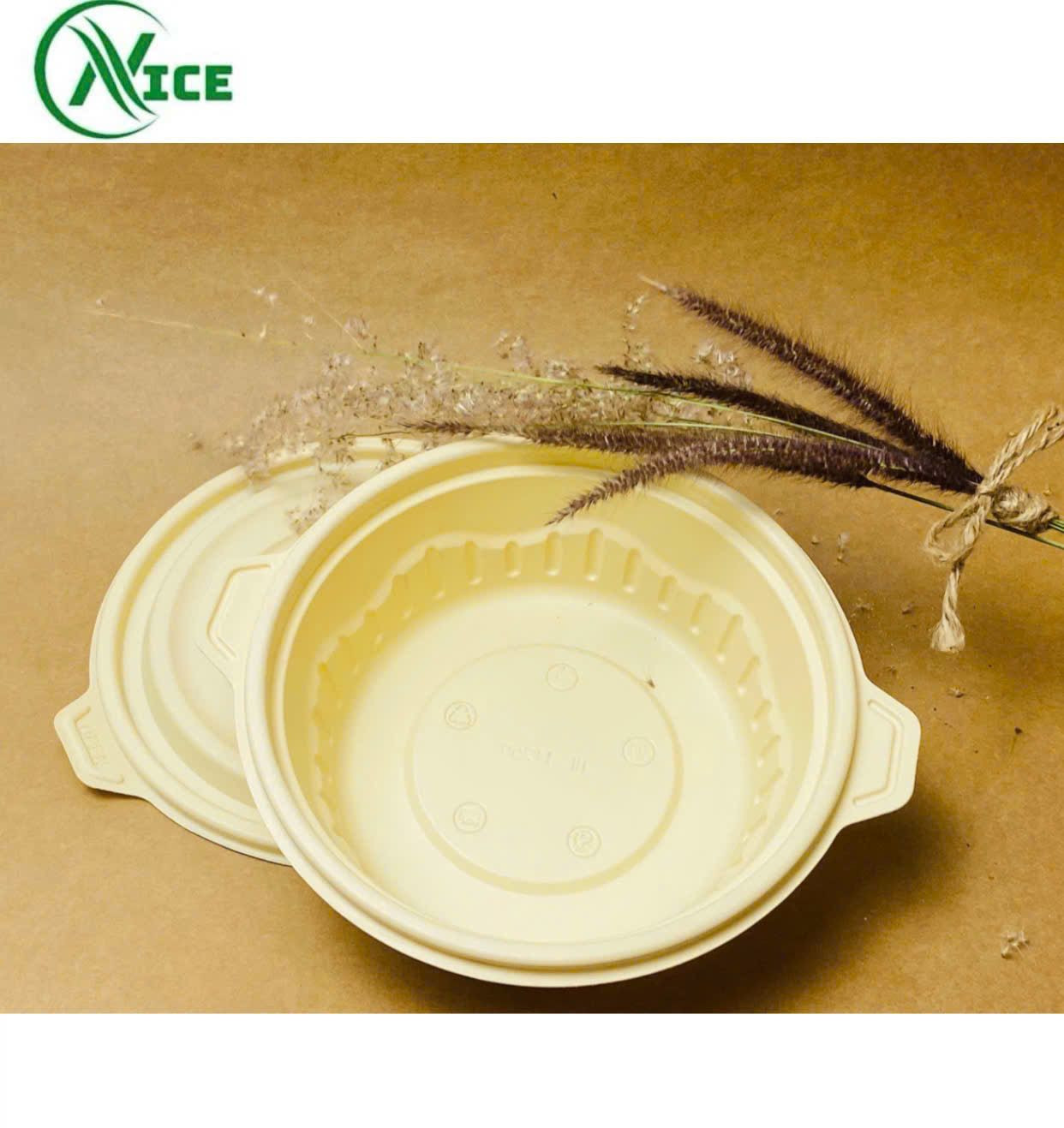
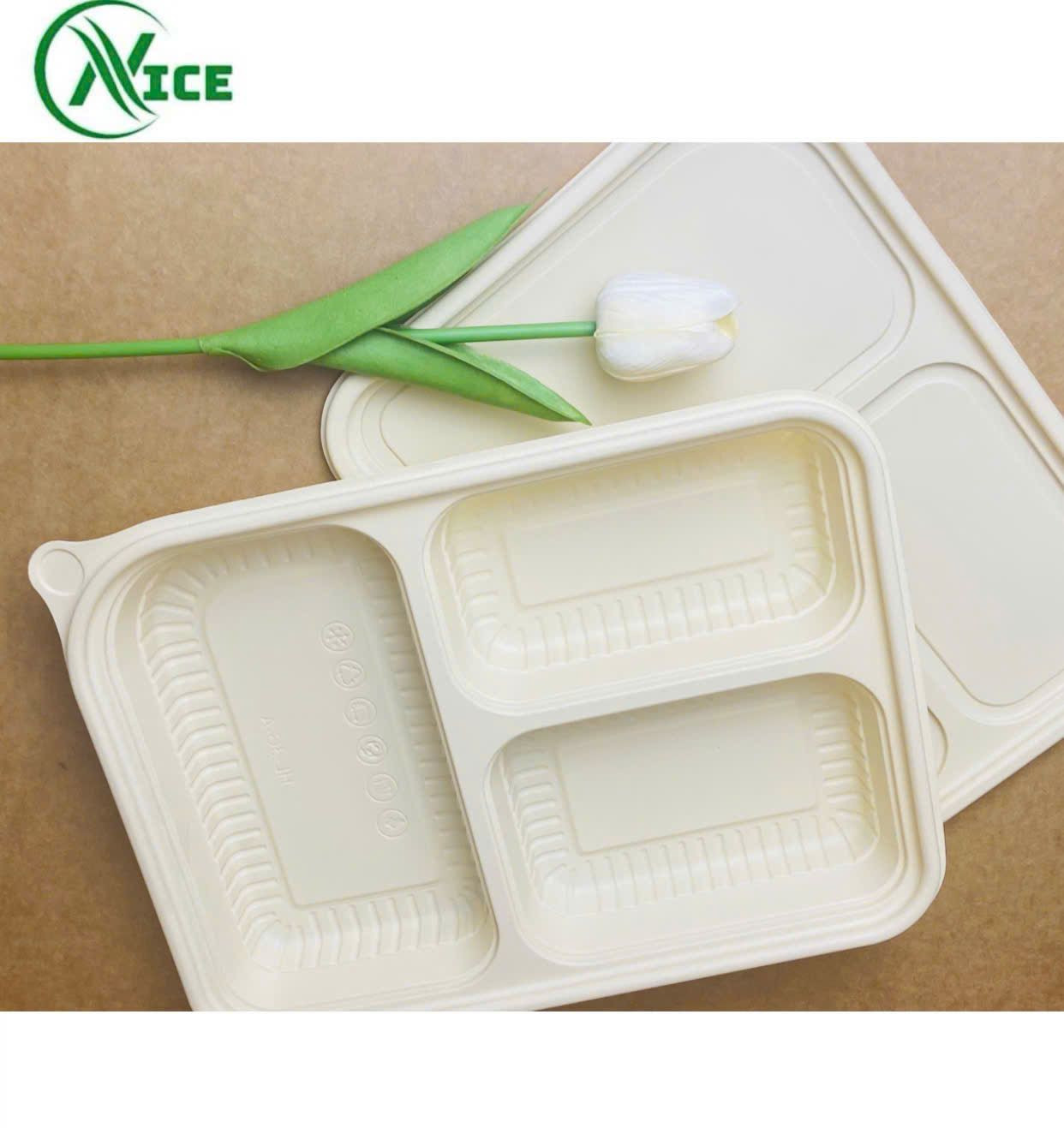
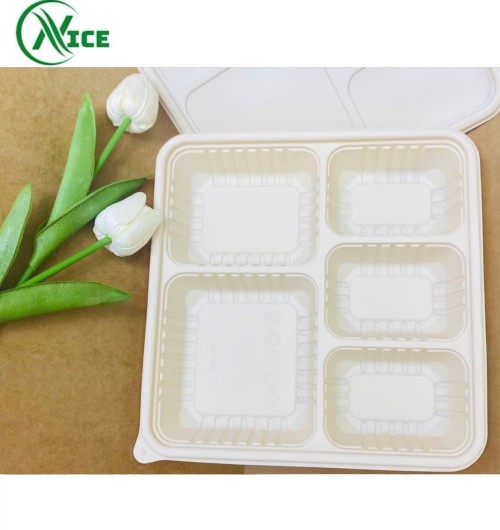
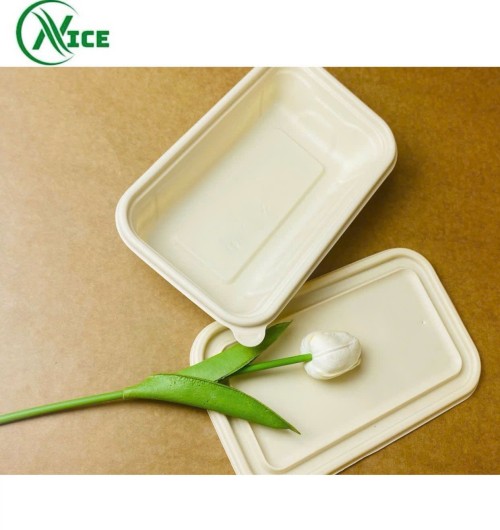
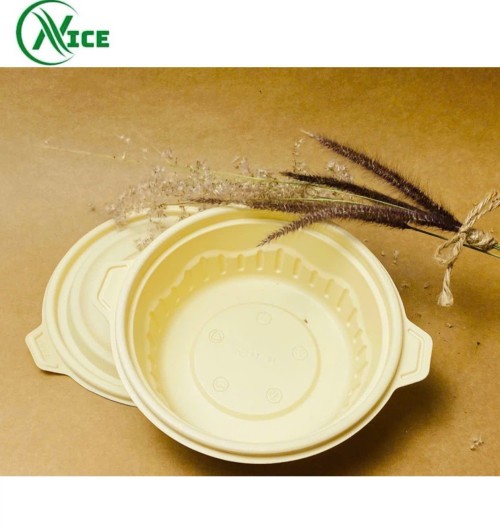
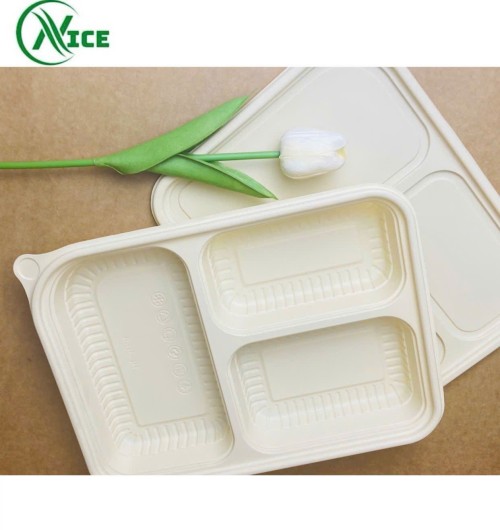
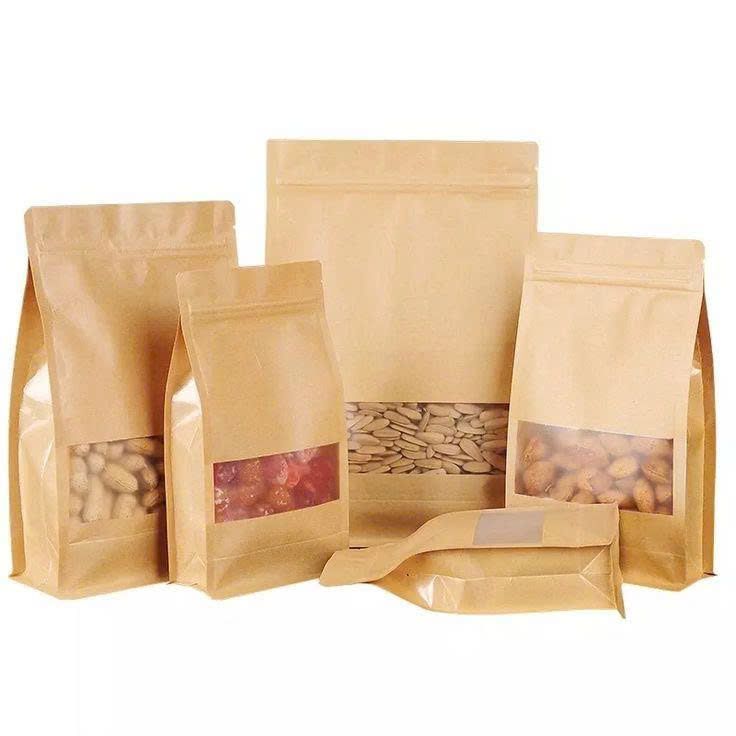
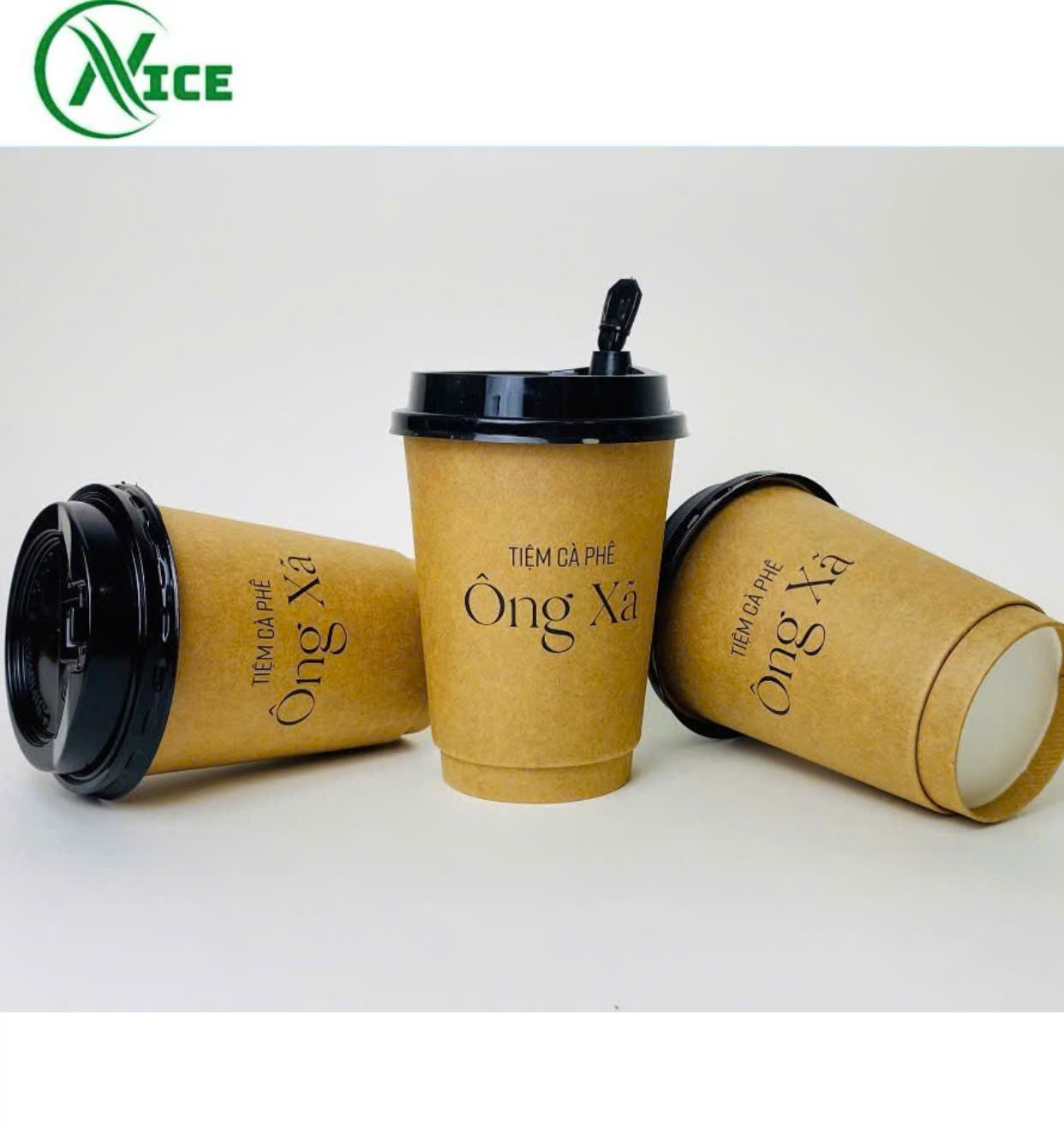
- Common applications include: biodegradable bags, food wrap, cutlery, cups, food containers, straws, dental floss, cosmetic packaging, etc.

TARGET CUSTOMERS & PARTNERS
- Factory producing packaging and biodegradable plastic products.
- Materials Research Center, Laboratory
- OEM company for green consumer products
- The company exports raw materials to Europe, the US, and Japan.